
Best Image Generation products (68+)
Discover 68+ best image generation products. Compare features, pricing, and reviews. Free and paid options available.
![FLUX.2 [max] Image Generator - product for Design Tools](https://unitelist.com/images/flux2max-app-thumbnail.jpg)
FLUX.2 [max] Image Generator
FLUX.2 [max] is your collaborative AI image generator, delivering production-ready visuals with prompt galleries and seamless editing workflows.
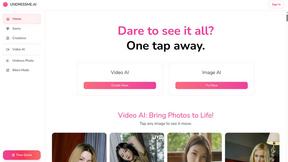
UndressMe AI
Let our team help you transform static photos into dynamic, private AI-generated nude images and videos with just a single upload.
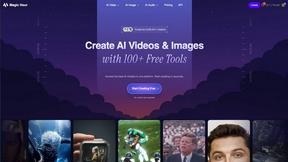
Magic Hour
Magic Hour is your collaborative AI studio where teams create professional videos and images together.
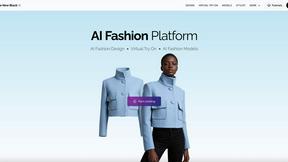
The New Black AI
Effortlessly create customizable AI models for clothing, jewelry, and accessories without the need for photoshoots.
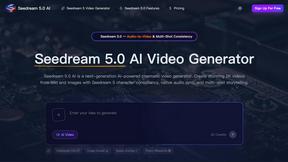
Seedream 5.0 AI
Seedream 5.0 AI creates stunning 2K images and cinematic videos from text prompts, enhancing creativity and visual.
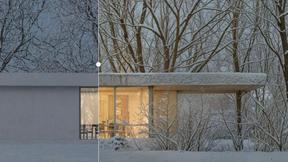
vaethat
Vaethat is your specialized AI partner that upscales and perfects architectural renders with ease.
Gleem.AI Studio
Gleem.AI Studio is your all-in-one workspace for effortlessly generating and editing stunning visuals in one seamless.
Nani
Nani organizes your team's AI image prompts and creations for a seamless, collaborative workflow.
Pictro.ai
Pictro.ai empowers you to effortlessly create stunning 4K images and professional videos with advanced AI technology.
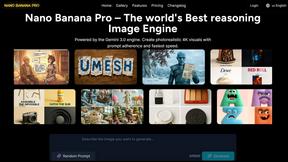
NanoBanana Pro
NanoBanana Pro is an AI-powered image engine that effortlessly creates stunning photorealistic 4K visuals in seconds.

Grok Imagine
Grok Imagine empowers teams to collaboratively create stunning AI videos from text or images in seconds.

Crypto Prices & PnL Tracker
Together, we track your crypto portfolio's real-time prices and automated profit and loss effortlessly.
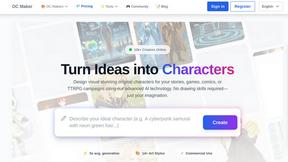
OC Maker
Collaborate with a vibrant community to effortlessly create stunning original characters using advanced AI technology.
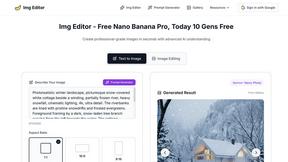
Img Editor
Unleash your vision together with our AI, transforming ideas into stunning images in seconds.
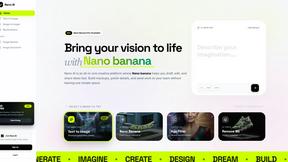
Nano AI
Nano AI is your all-in-one creative platform for fast image generation, editing, and seamless team collaboration.
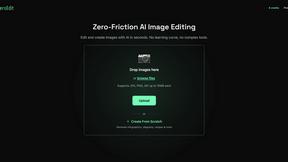
ZeroEdit
ZeroEdit is your collaborative AI image editor that transforms photos instantly using simple text prompts.
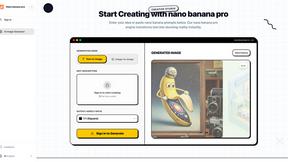
Nanobananapro
Nano Banana Pro is your collaborative AI studio for instantly generating and editing stunning 4K images.
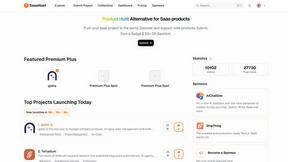
SaasHunt
SaaSHunt connects you with the best indie SaaS products, helping you discover, promote, and support innovative.

Mediasaur
Mediasaur helps teams easily create captivating UGC, product visuals, and videos using advanced AI technology.
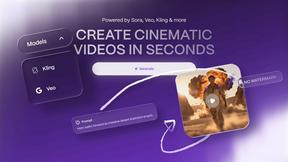
Vailo AI
Vailo AI empowers teams to collaboratively create stunning videos and images from simple text prompts.

NB2 Hub
Effortlessly create stunning 4K images from text or photos with Nano Banana Pro's advanced AI image generator.
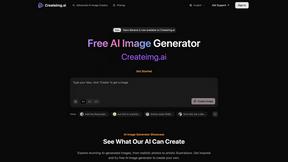
AI Image Generator - Createimg.ai
Createimg.ai empowers you to effortlessly generate stunning images for your creative projects and marketing needs.
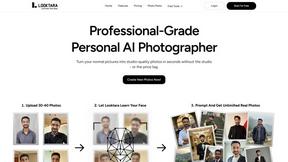
Looktara
Looktara is your collaborative AI photographer, creating professional photos that truly capture you.
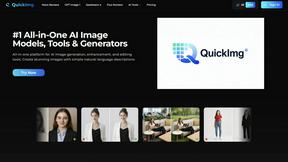
QuickImg
QuickImg simplifies image generation, enhancement, and editing with powerful AI tools for stunning visuals in minutes.
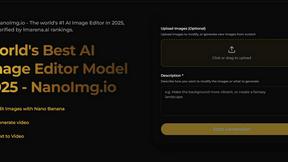
NanoImg
NanoImg unites your team with top AI models to create and edit stunning images together.
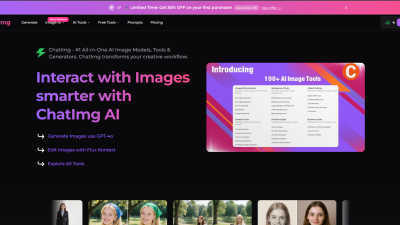
ChatIMG.io
ChatIMG.io is your all-in-one platform for collaborative AI image generation, enhancement, and editing tools.
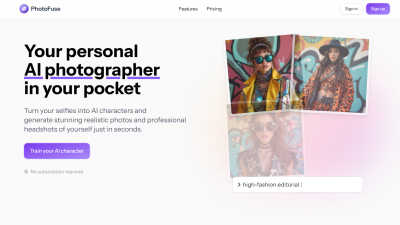
PhotoFuse
Transform your selfies into stunning AI headshots and characters in seconds, effortlessly crafted for any professional.
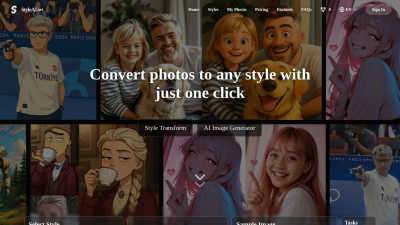
Style AI
Style AI transforms your photos into any artistic style with a single, effortless click.
Popular Alternatives in Image Generation
About Image Generation products
Image Generation tools use artificial intelligence to create visual content from text descriptions, sketches, reference images, and creative prompts. This category includes AI art generators, text-to-image platforms, style transfer tools, AI avatar creators, and product mockup generators that transform ideas into visual content.
Whether you are creating marketing visuals, generating concept art, producing social media graphics, building product mockups, or exploring creative AI art, these tools provide accessible image creation capabilities that were previously available only to skilled designers and illustrators.
Compare image generation tools by their output quality, style options, customization controls, generation speed, and pricing to find the right AI image creation solution for your visual content needs.
FAQs for Image Generation
What types of image generation tools are available?
This category includes text-to-image generators, AI art platforms, style transfer tools, AI avatar and portrait creators, product mockup generators, logo creators, and specialized image generation tools for marketing, social media, and creative projects.
How good is AI-generated image quality?
Modern AI image generators produce photorealistic and artistically compelling images that are suitable for many commercial and creative applications. Quality varies by tool and prompt, with the best tools delivering output comparable to professional design work.
Can I use AI-generated images commercially?
Licensing varies by tool. Many platforms grant commercial usage rights for generated images, but terms differ regarding exclusivity, attribution requirements, and specific use cases. Always check the licensing agreement for each tool.
Do I need design skills to use image generators?
No. Most image generation tools accept natural language descriptions and generate images automatically. Learning to write effective prompts improves results, but no traditional design skills are required to produce quality visual content.
How do I get better results from AI image generators?
Write detailed, specific prompts that describe style, composition, lighting, mood, and subject matter clearly. Experiment with different wording, use negative prompts to exclude unwanted elements, and iterate on results to refine your output.
What are the limitations of AI image generation?
Common limitations include inconsistent text rendering in images, difficulty with specific hand and finger details, challenges with exact brand reproduction, and potential style biases from training data. Results improve with each tool update.