

Alternatives to Tuning Engines
Tuning Engines is your unified platform to securely optimize and govern AI interactions with centralized control and seamless model access.
20 alternatives found
Fireply AI
AI reply agent for X (Twitter) that finds relevant conversations and posts replies in your own voice. 40 replies free.

DeskBot
DeskBot for Kalshi event contracts. $1 first month, then $19.99/mo. Trading can lose money. Not affiliated with Kalshi.
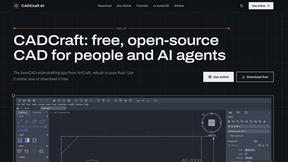
CADCraft
Free open-source 2D CAD for precise drafting, technical documentation, and AI-assisted automation.

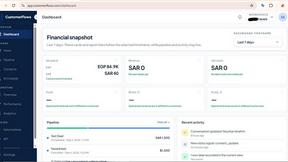
CustomerFlows
A modern, AI-native CRM built for lead-driven businesses. Qualify leads 24/7, track pipelines, and measure true ad ROI with flat-rate pricing.

Zeptap
Zeptap lets AI use your real iPhone like you do: open apps, read the screen, tap, swipe and type. Reply to DMs, post Stories, book rides, test apps.

9bot
WhatsApp group bot for moderation, automation and reports: welcomes, anti-spam, link filtering, scheduling, RSS and live alerts.
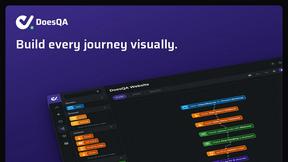
DoesQA
End-to-end testing for every web journey, from sign-up to checkout. Build tests without code, run them on hosted browsers, and see exactly what broke.



Motion Control AI
Create reference-driven character videos by transferring motion, timing, gestures, and camera rhythm from a video to an image.
benchmark.directory
146 AI tools, grouped by the job you hire them to do. We paid for every one, used it on real work, and wrote down where it stops.
Tools Network
Finding the right AI tool shouldn't take all day. Tools Network gathers the web's best AI-powered tools into one curated hub, neatly sorted across 25+
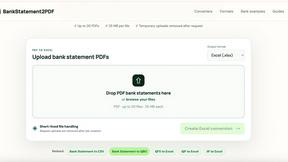
bank statement converter
BankStatement2PDF is built around a straightforward idea: converting financial documents should be simple.
About Tuning Engines Alternatives
Tuning Engines is a comprehensive, unified AI control and governance platform that orchestrates the entire AI lifecycle for teams. Designed to enhance collaboration and efficiency, it combines various essential features such as model routing, fine-tuning jobs, and usage analytics, all within a governed framework. As organizations increasingly seek to harness the power of AI in production environments, they often find themselves exploring alternatives to meet specific requirements, such as pricing, feature sets, or unique platform needs that align with their operational goals. When searching for alternatives, users should consider several key factors. Pricing structures can vary significantly, so understanding the cost implications based on usage and features is essential. Additionally, evaluating the platform's capabilities, including integration potential, ease of use, and scalability, will help ensure that the chosen solution aligns with the organization's current and future needs. It is also vital to assess the level of governance and support provided, as these elements play a crucial role in fostering a secure and collaborative AI environment.
FAQs about Tuning Engines Alternatives
What is Tuning Engines?
Tuning Engines is a unified AI control and governance layer that enables teams to build and manage production intelligence across various models, tools, and systems. It integrates key functions such as model routing, fine-tuning, and evaluation into one platform, ensuring a streamlined and governed approach to AI deployment.
Who is Tuning Engines for?
Tuning Engines is designed for organizations and teams that are looking to implement AI solutions at scale while maintaining governance and control. It serves developers, data scientists, and admins who need a comprehensive platform to manage AI lifecycles, facilitate collaboration, and ensure compliance.
Is Tuning Engines free?
Tuning Engines is not a free product; it operates on a pricing model that reflects the features and capabilities offered. Organizations can expect to assess their usage needs which will determine the costs associated with leveraging the platform for their AI projects.
What are the main features of Tuning Engines?
The main features of Tuning Engines include model routing, fallback policies, fine-tuning jobs, dataset management, and usage analytics. Additionally, it provides role-based access controls, auditability, and integration capabilities with various AI tools, fostering a secure and efficient operational layer for AI deployment.