fnel vs Fusedash
Side-by-side comparison to help you choose the right product.

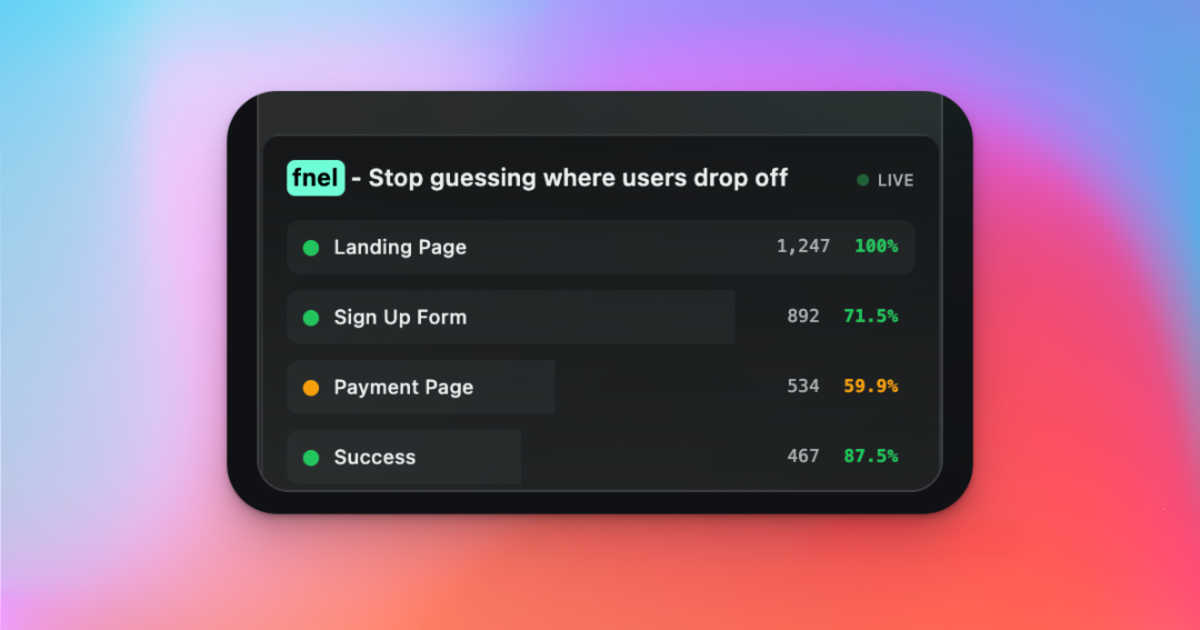
fnel helps solo founders instantly identify and fix conversion leaks in their funnels for better user engagement.
Last updated: March 1, 2026

Fusedash turns your team's data into clear dashboards so everyone can act on insights together.
Last updated: March 4, 2026
Visual Comparison
fnel
Fusedash
Feature Comparison
fnel
Real-Time Funnel Tracking
With fnel, you can instantly visualize user journeys and see where drop-offs occur in real-time. This feature allows teams to quickly identify and address conversion leaks, enabling immediate action to enhance user retention.
Smart Drop-off Alerts
Automatic detection of underperforming steps in your funnel helps teams stay proactive. When a specific step experiences a sudden drop in conversions, fnel sends alerts, allowing your team to investigate and rectify issues before they escalate.
A/B Testing Insights
fnel simplifies the process of validating A/B tests by providing step-level conversion metrics. This means you can focus on what truly matters and make data-driven decisions based on actual performance rather than vanity metrics.
One-Line Setup
The installation process for fnel is incredibly easy, requiring just a single snippet of code. This ensures that teams can start tracking their funnels almost immediately, minimizing setup time and maximizing efficiency.
Fusedash
Flexible, Unified Workspace
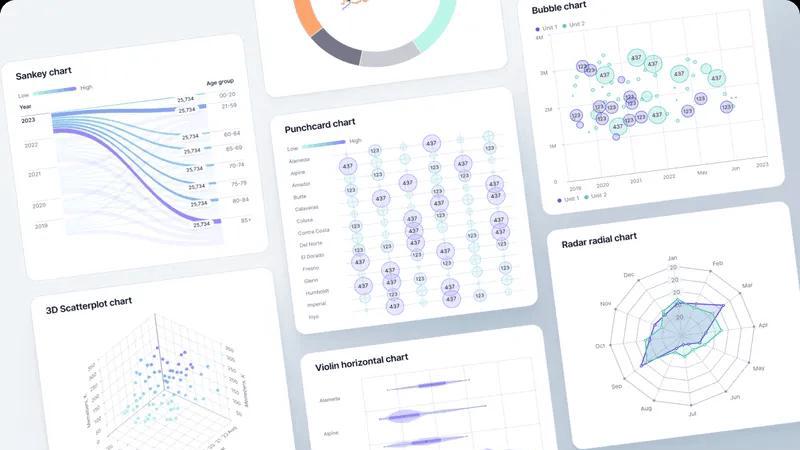
Fusedash provides a single, cohesive workspace where teams can build the right view for every audience without duplicating effort. You can transform the same core dataset into interactive dashboards for real-time monitoring, detailed charts for analysis, narrative reports for stakeholders, or geographic maps for regional insights. This flexibility allows different departments to access the information that matters most to them, all from a consistent data foundation, reducing back-and-forth and ensuring seamless collaboration across the organization.
AI-Powered Chart Generator
Jumpstart your data storytelling with the AI Chart Generator. This feature allows you to create clear, impactful visuals from your CSVs or connected APIs in minutes. The AI assists in selecting the optimal chart type, applying meaningful comparisons, and refining labels to ensure the visual accurately tells your data's story. These charts can be used as powerful standalone assets or seamlessly integrated into larger dashboards and reports, accelerating the path from raw data to shared understanding.
Integrated AI Data Chat
Foster a collaborative exploration environment with the integrated AI Data Chat. Team members can ask questions about their data in plain, natural language, breaking down barriers to analysis. The smart chat can suggest relevant metrics, propose breakdowns, and recommend the best chart types for your inquiry. You can then instantly turn these conversational insights into permanent, shareable dashboard views, making data discovery an intuitive and cooperative process for everyone.
Consistent Metric Definitions & Reusability
At the heart of Fusedash is the principle of consistency. You define your key performance indicators, dimensions, and calculation logic once in a centralized library. These trusted definitions are then automatically reused across every dashboard, chart, and report created on the platform. This eradicates conflicting numbers and manual reconciliation, ensuring that leadership, marketing, and operations are all working from the same trusted dataset, which builds alignment and accelerates collective action.
Use Cases
fnel
SaaS Signup Optimization
For teams managing a SaaS product, fnel enables you to track the entire signup process, from landing pages to user activation. This allows for pinpointing exactly where potential users drop out, facilitating targeted improvements in your onboarding flows.
E-commerce Checkout Improvement
E-commerce businesses can leverage fnel to visualize their checkout processes. By identifying where customers abandon their carts, teams can implement changes swiftly to enhance the checkout experience and increase completed purchases.
Agency Lead Generation Tracking
Agencies can utilize fnel to track potential client interactions through various stages, such as form submissions and booking calls. This helps in understanding which campaigns are the most effective in generating leads, aiding in resource allocation.
Product Feature Validation
When launching new features, fnel allows teams to monitor user engagement through specific funnels. By observing how users interact with new functionalities, teams can determine what resonates with their audience and adjust their development priorities accordingly.
Fusedash
Cross-Departmental KPI Alignment
Unify your organization around shared goals by creating a central command center. Leadership can monitor high-level business health on executive dashboards, while marketing drills into campaign performance and operations tracks real-time logistics—all using the same underlying metrics. This eliminates siloed reporting and ensures every team discussion is grounded in a single, consistent version of the truth, driving strategic alignment.
Streamlined Stakeholder Reporting
Transform the tedious monthly reporting cycle into an efficient, collaborative process. Build narrative-driven "storytelling" reports that combine live charts, key metrics, and explanatory text. Share these dynamic reports with stakeholders, who can interact with filters and see the most current data without waiting for a new document. This empowers teams to provide context and clarity, reducing follow-up questions and fostering better-informed decisions.
Collaborative Market & Geographic Analysis
Enable sales and marketing teams to visually analyze performance by region using interactive maps. By combining internal sales data with public demographic or market data within Fusedash, teams can collaboratively identify trends, pinpoint opportunities, and allocate resources effectively. This shared geographic insight helps regional managers and headquarters align on strategy and execute locally relevant actions.
Rapid, Ad-Hoc Data Exploration
Empower every team member to be a data explorer. When a question arises in a meeting, use the AI Data Chat to ask "What drove the sales spike last week?" or "Show me user sign-ups by device type." Instantly generate charts and breakdowns to answer these questions on the fly. This democratizes data access, turns curiosity into immediate insight, and fosters a proactive, data-informed culture across all teams.
Overview
About fnel
fnel is a dedicated funnel analytics platform designed specifically for solo founders, indie hackers, and early-stage startups. It recognizes that understanding user behavior is a collaborative endeavor, and thus, it simplifies the process of tracking user journeys through your conversion funnels. By focusing on a singular, critical task—identifying where users drop off—fnel empowers teams to make informed decisions quickly. Unlike traditional analytics tools that are often cluttered and complex, fnel offers a streamlined experience with a single line of code for setup, allowing your entire team to gather actionable insights in real-time. This means less time spent on configuration and more time working together to optimize onboarding flows, increase signups, and enhance overall conversions. Whether you are testing a new product idea or scaling your first SaaS application, fnel provides clear, shared insights that foster collaboration and drive growth.
About Fusedash
Fusedash is the collaborative AI data visualization platform designed to unify your team around a single source of truth. It transforms the often fragmented process of data analysis and reporting into a streamlined, cooperative workflow. By bringing dashboards, interactive charts, detailed maps, and narrative reports into one connected workspace, Fusedash eliminates the need to rebuild the same logic across multiple, disconnected tools. This platform is built for teams across leadership, marketing, operations, and beyond who are tired of manual reporting cycles, conflicting data stories, and time wasted reconciling numbers. Its core value proposition is consistency and efficiency: you define your key metrics and KPIs once, and then reuse those consistent definitions across every view and report. This ensures everyone in the organization is aligned, looking at the same trusted numbers, and empowered to act. With integrated AI features like natural language data chat and smart visualization assistance, Fusedash makes data exploration accessible to all team members, fostering a culture of shared insight and collaborative decision-making. It’s more than a dashboard tool; it’s a unified workspace where raw data becomes a catalyst for team alignment and decisive action.
Frequently Asked Questions
fnel FAQ
How is fnel different from GA or Mixpanel?
fnel is designed specifically for funnel analytics, focusing on speed and simplicity. Unlike GA or Mixpanel, fnel offers immediate step-level insights and drop-off detection without the complexity of setup, allowing teams to quickly see where users are leaving and what needs improvement.
Is there a Free plan?
Yes, fnel offers a Free Starter plan that includes tracking up to 5,000 events per month and allows for the creation of 3 funnels. This plan requires no credit card and is an excellent way to begin validating your funnel before deciding to upgrade.
What are the Pro and Lifetime details?
The Pro plan is priced at $12 per month (or $9.99 when billed annually) and includes up to 100,000 events per month, unlimited funnel tracking, and advanced drop-off analysis. The Lifetime plan is available for a one-time payment, providing all Pro features with no ongoing fees.
How quickly can I get started with fnel?
Getting started with fnel is incredibly fast. With just a single line of code to install the fnel package and your API key, you can begin tracking events and viewing real-time analytics within minutes. There is no complex configuration needed.
Fusedash FAQ
What types of data sources can I connect to Fusedash?
Fusedash is built for flexibility in data integration. You can start by uploading CSV files directly for quick analysis. For live, updated data, you can connect to various business applications and databases via their APIs. The platform also allows you to enrich your internal data with relevant public datasets, especially useful for adding geographic or market context to your visualizations and reports.
How does Fusedash ensure data consistency across teams?
Fusedash uses a centralized metric definition system. Your team defines each key metric, KPI, and dimension (like "Monthly Recurring Revenue" or "Active User") once in a shared library. Whenever anyone builds a dashboard, chart, or report, they select from these pre-defined, trusted metrics. This guarantees that the calculation logic is identical everywhere, eliminating discrepancies and ensuring everyone analyzes and debates using the same numbers.
Can I use Fusedash just to create single charts, or do I need to build full dashboards?
Absolutely, you can use Fusedash for both. The AI Chart Generator is perfect for creating standalone, publication-ready charts quickly from your data. If you need a comprehensive view, you can then assemble those charts and more into a full dashboard. The platform is designed to support your workflow, whether you need a single visual for a presentation or a live monitoring interface for your entire team.
What makes Fusedash's AI features different?
Fusedash's AI is integrated directly into the collaborative workflow. The AI Data Chat lets you interact with your data conversationally, making exploration accessible to non-technical team members. The chart AI suggests the best ways to visualize your specific data. Crucially, these AI insights aren't dead-ends; you can instantly convert chat answers and generated charts into persistent, shareable views within your team's workspace, turning fleeting discoveries into institutional knowledge.
Alternatives
fnel Alternatives
fnel is a powerful funnel analytics tool designed specifically for solo founders, indie hackers, and early-stage startups. It simplifies the process of tracking user conversion paths, enabling teams to collaboratively identify and address conversion leaks in real time. Users often seek alternatives due to factors like pricing, feature sets, or specific platform requirements that may not align with their needs. When searching for an alternative, it's essential to consider aspects such as ease of integration, the depth of analytics offered, and the ability to visualize data in a collaborative manner, ensuring that team members can work together effectively. --- [{"question": "What is fnel?", "answer": "fnel is a funnel analytics tool that helps solo founders and startups track and fix conversion leaks in real time."},{"question": "Who is fnel for?", "answer": "fnel is designed for solo founders, indie hackers, and early-stage startups looking to optimize their conversion funnels."},{"question": "Is fnel free?", "answer": "The pricing details for fnel are not specified, so it's best to check their official website for current plans."},{"question": "What are the main features of fnel?", "answer": "fnel offers real-time funnel visualizations, one-line code integration, and smart drop-off detection to help teams optimize user journeys."}]
Fusedash Alternatives
Fusedash is an AI-powered data visualization and business intelligence platform. It helps teams unify their data sources to create consistent, decision-ready dashboards and reports, fostering a collaborative environment where everyone works from a single source of truth. Teams explore alternatives for various reasons, such as budget constraints, specific feature requirements, or the need to integrate with a different tech stack. The search often stems from a desire to find a tool that aligns perfectly with their team's unique workflow and data maturity. When evaluating options, consider how a platform promotes team synergy. Look for tools that ensure metric consistency, reduce manual reporting work, and offer intuitive ways for everyone to explore data and share insights, turning information into aligned action.