

Alternatives to Self-Healing Integrations
We partner with your team to deliver self-healing integrations that keep your systems running reliably, reducing costs and launch times.
20 alternatives found

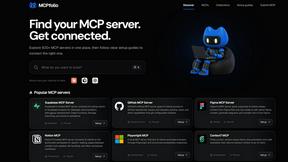
mcpfolio
Discover MCP servers, compare tools, and follow setup guides to connect AI assistants to your apps and workflows
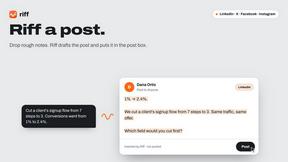
Riff
Riff writes replies, DMs and posts with Gemini Nano inside Chrome. Runs on your computer, no account or API key, and never posts for you.


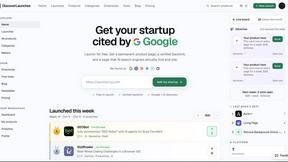
DiscoverLaunches
DiscoverLaunches is a weekly launch board for indie makers and SaaS founders. Paste your URL and AI fills in your listing. Every product gets a perman



GetYouTubeTranscript
Free YouTube transcripts on the web, a Chrome extension, and an API + MCP server so AI assistants can read YouTube.


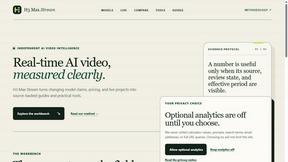


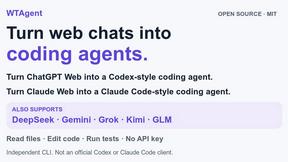
WTAgent
Turn ChatGPT Web into Codex and Claude Web into Claude Code. Open-source CLI coding agent - no model API key needed.

Motion Control AI
Create reference-driven character videos by transferring motion, timing, gestures, and camera rhythm from a video to an image.

Wan Video
Create AI videos online with Wan Video or integrate Wan models through a developer-friendly API.

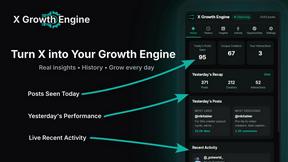
X Growth Engine
The only app that uses your unique X feed to surface leads, opportunities, and customers - no searching, no manual scraping
About Self-Healing Integrations Alternatives
When your team is evaluating integration solutions, you might be exploring Self-Healing Integrations, a powerful AI-managed lifecycle platform that falls under the AI Assistants category. This system is designed to not only build custom integrations but also to actively monitor and maintain them after go-live, replacing the traditional model of one-off projects with a continuously evolving, agentic approach. Users commonly look for alternatives due to specific needs around pricing models, the depth of customization required for niche legacy systems, or a desire for a platform that aligns with a different internal tech stack or team workflow. The search often stems from a need to find a solution that balances automation with the right level of human oversight for their unique operational scale. When choosing an alternative, your team should prioritize platforms that offer genuine lifecycle management rather than just initial setup, focusing on how a solution handles ongoing maintenance, monitoring, and adaptive changes without requiring constant manual intervention. Look for a tool that fosters collaboration between your developers and business stakeholders, ensuring that the integration remains stable even as your systems and data sources evolve. The most valuable alternatives will provide transparent pricing that scales with your success, robust security protocols for sensitive data, and a clear roadmap for how the AI assistant learns from your environment to reduce the long-term maintenance burden on your team.
FAQs about Self-Healing Integrations Alternatives
What is Self-Healing Integrations?
Self-Healing Integrations is an AI-managed lifecycle platform designed to build and continuously maintain custom integrations between any systems. Unlike traditional tools that only create integrations, this platform actively monitors, adapts, and repairs connections after go-live, replacing the need for ongoing manual maintenance projects. It belongs to the AI Assistants category and leverages agentic technology to ensure integrations remain stable and efficient over time.
Who is Self-Healing Integrations for?
Self-Healing Integrations is designed for teams and companies that rely on custom integrations requiring constant changes, monitoring, and maintenance after deployment. It is ideal for organizations that are tired of paying the integration tax, where launching new channels, systems, or partners becomes slow and expensive. This solution is for collaborative teams seeking to replace fragmented project-based integration work with a unified, AI-driven lifecycle that reduces long-term operational overhead.
What are the main features of Self-Healing Integrations?
The primary feature of Self-Healing Integrations is its ability to manage the entire integration lifecycle, from initial build to ongoing maintenance, using agentic AI. It provides continuous monitoring to detect and fix issues automatically, adapts to changes in connected systems without manual coding, and ensures that custom integrations remain operational post-go-live. This replaces the traditional model of one-time integration projects with a dynamic, self-sustaining system.
Why choose Self-Healing Integrations over traditional integration tools?
You should choose Self-Healing Integrations if your team is burdened by the high cost and slow pace of launching and maintaining custom integrations. Traditional tools build connections but leave the responsibility of keeping them running on your team, whereas this platform automates the entire maintenance lifecycle. It eliminates the integration tax by proactively managing changes and repairs, allowing your team to focus on growth rather than firefighting broken connections.