SERPView
SERPView unlocks your team's shared Google Search Console data to uncover growth opportunities together.
Visit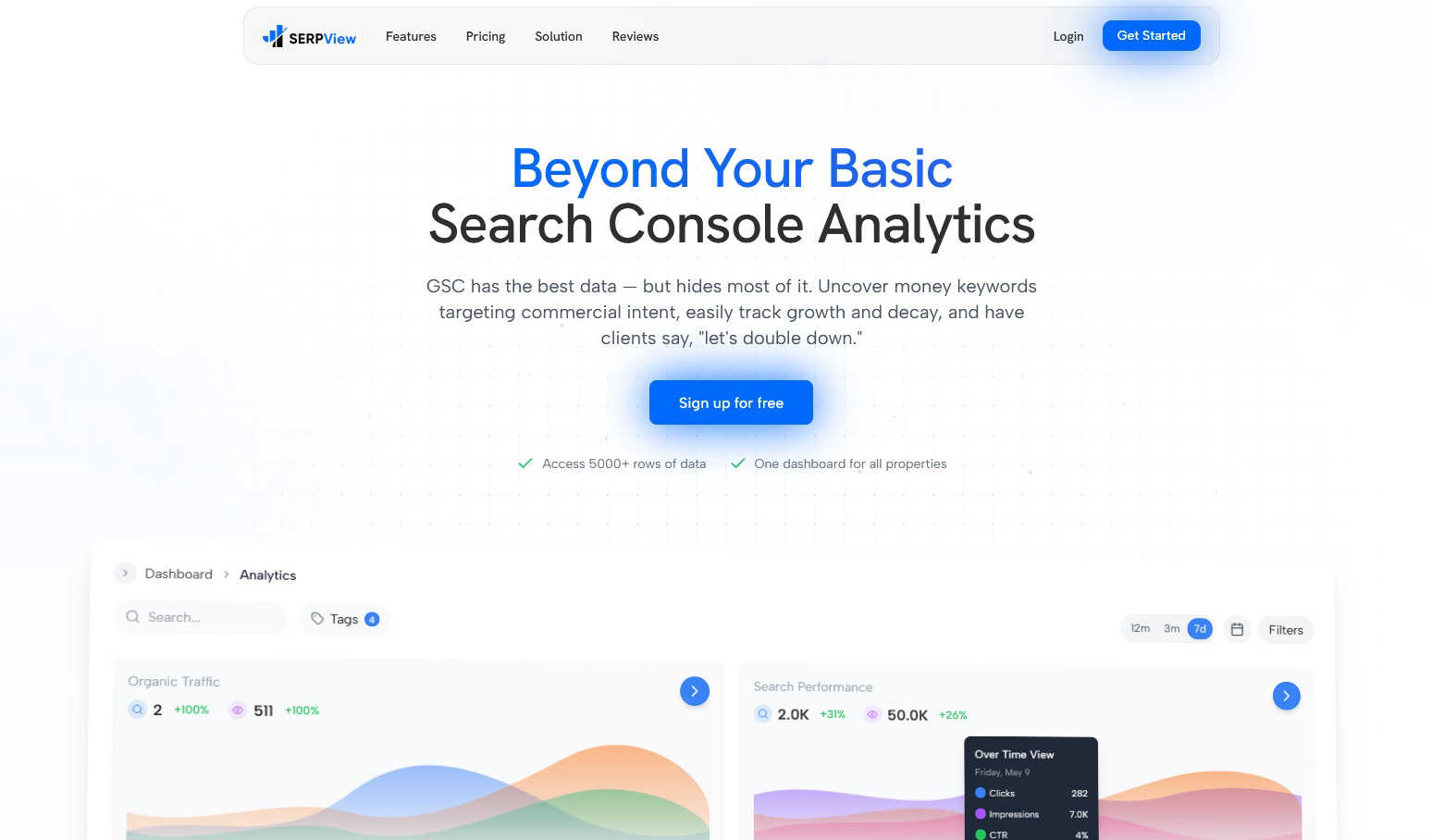
About SERPView
SERPView is the definitive collaborative analytics platform designed to unlock the full potential of your Google Search Console data. It transforms the fragmented, limited experience of the native GSC interface into a centralized, data-rich command center built for SEO teams and digital marketers. The platform is engineered for seamless cooperation, empowering your entire team—from content creators and SEO specialists to marketing strategists—to move beyond basic reporting and uncover the actionable insights that drive strategic, unified growth. Its core value proposition lies in breaking through GSC's restrictive 1,000-row data limit, providing access to over 50,000 rows of performance data to ensure no critical trend or opportunity goes unnoticed. By consolidating all your search properties into a single, intuitive dashboard, SERPView eliminates the hassle of switching between accounts and enables unified analysis. It fosters synergy across departments by turning raw search data into a shared source of truth, complete with advanced features for in-depth keyword analysis, page performance reviews, device comparisons, and visual topic cluster tracking, making it a powerful engine for collaborative decision-making.
Features of SERPView
Performance Tracking Without Limits
Go beyond Google Search Console's restrictive 1,000-row data cap. SERPView provides access to a comprehensive 50,000 rows of performance data, allowing your team to track clicks, impressions, CTR, and average position in granular detail without any artificial limitations. This ensures you can analyze long-term trends and spot opportunities that would otherwise remain hidden in truncated reports.
Advanced Keyword & Page Analysis
Uncover high-intent, money-making keywords and identify your best-performing pages. This feature enables deep dives into commercial keyword opportunities, tracks position changes over time, and analyzes page-level performance to pinpoint both optimization opportunities and content that deserves further promotion, creating a clear action plan for your content and SEO teams.
Mobile vs. Desktop & International Analysis
Compare your search performance across different devices and geographical regions. Understand whether your site performs better on mobile or desktop to guide technical and content optimizations. Simultaneously, track impressions and clicks by country to refine your global SEO strategy and allocate resources effectively for international campaigns.
Collaborative Topic Clusters & Annotations
Visualize and track the performance of your entire content strategy by topic clusters, not just individual pages. This fosters alignment between content and SEO teams on strategic themes. Furthermore, the ability to track Google algorithm updates and add custom annotations helps your team correlate ranking changes with specific events, fostering shared understanding.
Use Cases of SERPView
SEO Team Collaboration & Reporting
Centralize search data from multiple GSC properties into one dashboard, eliminating silos. SEO managers, specialists, and analysts can work from the same dataset, create shared tags, and generate comprehensive reports that provide a unified view of performance, streamlining communication and strategic planning across the team.
Content Strategy Development & Optimization
Content teams can use page and keyword analysis to identify top-performing articles and uncover gaps. By reviewing topic cluster performance, they can prioritize content creation around winning themes and update underperforming pages based on concrete search data, ensuring their efforts align with actual search demand and team goals.
Technical SEO & Site Performance Review
Technical SEOs can leverage device comparison data to identify potential mobile usability issues impacting rankings. The extensive data access allows for deep dives into query counting and position changes, helping pinpoint technical crawl, index, or rendering problems that need to be addressed in collaboration with developers.
Agency Client Management & Reporting
Digital marketing agencies managing multiple client accounts can connect all properties to a single SERPView dashboard. This simplifies performance reviews, enables efficient cross-client benchmarking, and allows for the creation of clear, data-rich reports that demonstrate value and guide collaborative strategy sessions with clients.
Frequently Asked Questions
How is SERPView different from Google Search Console?
While Google Search Console (GSC) is the source of the data, it has significant limitations like a 1,000-row data cap, disjointed property management, and limited historical analysis. SERPView builds upon GSC data by removing these limits, providing a unified dashboard for all properties, and adding advanced collaborative features like topic clustering, detailed device/country breakdowns, and annotation tools that GSC does not offer.
Can I connect multiple Google Search Console properties?
Yes, absolutely. A core feature of SERPView is the ability to connect and manage multiple Google Search Console properties, websites, and domains from within a single, intuitive dashboard. This eliminates the need to constantly switch between accounts and provides a consolidated view of your entire search ecosystem for streamlined team analysis.
What is the "50,000 row data limit" you mention?
Google Search Console's native interface typically limits you to viewing and exporting only 1,000 rows of performance data at a time, which can hide important long-tail keywords and trends. SERPView bypasses this restriction by aggregating data via the API, allowing you to access, analyze, and export up to 50,000 rows of data, ensuring a much more complete picture of your search performance.
Is SERPView suitable for team use?
SERPView is specifically designed for team collaboration. It transforms individual GSC data into a shared source of truth with features that foster synergy. Teams can work from a centralized dashboard, use tagging for organization, track topic strategies together, and use annotations to align on the impact of site changes or algorithm updates, making it ideal for coordinated SEO efforts.
Explore more in this category:
Similar to SERPView

Context Board
Context Board brings your numbers, docs, clients, content and day into one workspace that Claude and Codex can read and update.
OG Image Generator
Paste a URL and AI designs on-brand Open Graph images from your page's colours, fonts and logo. Free, no sign-up.
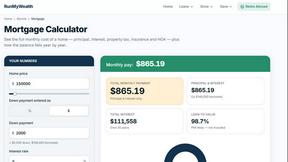
RunMyWealth
Free, private financial calculators for mortgage, FIRE, and debt. 100% free, runs locally in your browser, no signup required.
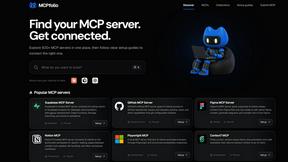
mcpfolio
Discover MCP servers, compare tools, and follow setup guides to connect AI assistants to your apps and workflows

Tapetide
AI-first stock research platform and MCP server for every NSE & BSE listed stock.
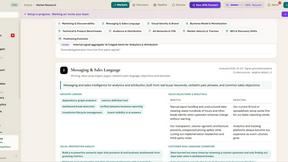
ROIpad
ROIpad supplies SaaS founders with dynamic positioning intelligence. Uncover untapped messaging angles and outmaneuver rivals with live data.