
Interactive Circle of Fifths
Collaborate and master music theory with our engaging Interactive Circle of Fifths for chords and scales.
Visit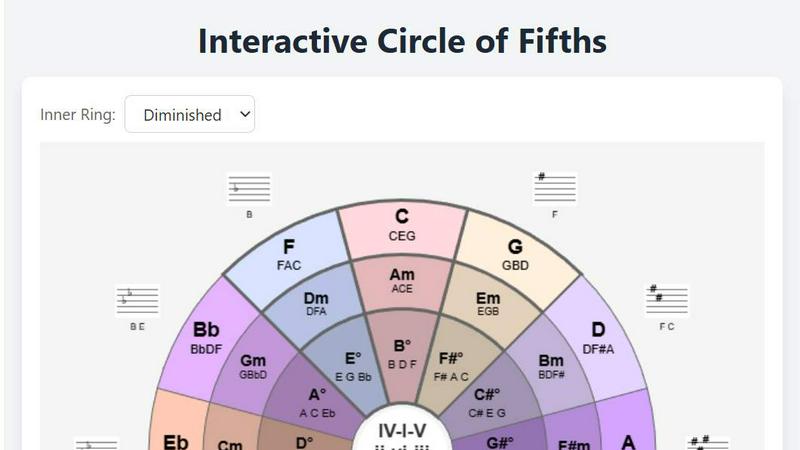
About Interactive Circle of Fifths
Welcome to the Interactive Circle of Fifths, a collaborative hub that redefines how music theory is approached and understood. This dynamic, web-based tool transforms the traditional circle of fifths into an engaging and interactive workspace. It empowers musicians of all skill levels to visualize and hear the relationships between keys, chords, and scales, making music theory both approachable and intuitive. Whether you are a student embarking on your musical journey, a songwriter exploring innovative chord progressions, or an educator seeking a powerful teaching aid, this tool fosters a rich, cooperative learning environment. The core value of the Interactive Circle of Fifths lies in its ability to integrate auditory experiences with visual representations, bridging theoretical concepts with practical applications on various instruments. By collaborating with this tool, users unlock the patterns that underpin Western music, enhancing both their creativity and understanding in a synergistic manner.
Features of Interactive Circle of Fifths
Visual and Auditory Integration
The Interactive Circle of Fifths combines visual elements with audio feedback, allowing users to see and hear the relationships between different musical components. This feature promotes a holistic understanding of music theory, making it easier to grasp complex concepts by connecting them to real sound.
Comprehensive Scale Library
With access to a variety of scales, including the pentatonic, blues, diatonic, and diminished scales, users can explore the vast landscape of musical possibilities. Each scale is presented clearly, aiding learners in recognizing their unique characteristics and applications within compositions.
Harmonized Scale Tool
This feature allows users to harmonize scales effectively, showcasing how different chords can be derived from a single scale. The harmonized scale tool encourages collaboration among users, facilitating discussions on how to build progressions and enhance compositions collaboratively.
Chord Sequencer
The chord sequencer provides an interactive platform for users to create and experiment with chord progressions. Featuring a selection of chords such as C, Dm, Em, F, G, Am, and B°, this tool empowers songwriters to explore new musical ideas and collaborate on compositions efficiently.
Use Cases of Interactive Circle of Fifths
Student Learning
Students can utilize the Interactive Circle of Fifths as a foundational tool for understanding music theory. By engaging with its visual and auditory features, they can grasp essential concepts like key relationships and chord functions, enhancing their overall learning experience.
Songwriting Collaboration
Songwriters can leverage the chord sequencer to experiment with different progressions, making it easier to collaborate with peers. By working together in this interactive environment, they can share ideas, refine compositions, and unlock new creative possibilities.
Educator's Teaching Aid
Educators can use the Interactive Circle of Fifths as a powerful teaching resource in their classrooms. With its engaging visualizations and interactive features, teachers can present complex music theory concepts in a way that resonates with students, facilitating a deeper understanding of the subject.
Group Music Sessions
Musicians can come together in group sessions to explore the tool collaboratively. By using the harmonized scale feature and chord sequencer, they can collectively experiment with new sounds, develop unique arrangements, and foster a cooperative atmosphere that encourages musical exploration.
Frequently Asked Questions
What is the Interactive Circle of Fifths?
The Interactive Circle of Fifths is a web-based tool that transforms the traditional music theory concept into an interactive experience. It helps users visualize and hear the relationships between keys, chords, and scales, making music theory more accessible and engaging.
Who can benefit from using this tool?
The tool is designed for a wide range of users, including students learning music theory, songwriters seeking new ideas, and educators looking for effective teaching aids. Its collaborative features make it valuable for anyone interested in enhancing their musical understanding and creativity.
How does the visual and auditory integration work?
The tool combines visual representations of music theory concepts with audio feedback. Users can see the relationships between different musical elements, such as keys and chords, while also hearing how they sound, creating a comprehensive learning experience that enriches understanding.
Can this tool be used in a classroom setting?
Absolutely! The Interactive Circle of Fifths is an excellent resource for educators. Its engaging and interactive features allow teachers to present music theory concepts in a more relatable way, facilitating better student engagement and comprehension during lessons.
Explore more in this category:
Similar to Interactive Circle of Fifths

Bloom
An adaptive AI tutor that turns topics or your materials into courses, lessons, and answers tailored to how you learn.

Pixdok
PixDok is your all-in-one free online toolkit for PDF editing, image conversion, background removal, passport photos, and QR codes.

PracticeNetworking
Master networking with interactive, hands-on practice directly in your browser. Solve real terminal challenges, debug routes, and build core IT skills

Traecta
Traecta turns a career switch into a guided route — weekly modules, checkpoints and a study buddy instead of a pile of saved courses.

BeatMotion
Turn a text prompt, your lyrics, or a photo into an original song with vocals plus a cinematic AI music video, ready to share in minutes.

CareerJump
A free personalized weekly newsletter to help you keep up with developments relevant to your career.

RunMyWealth
Free, private financial calculators for mortgage, FIRE, and debt. 100% free, runs locally in your browser, no signup required.

PythonExercise.com
An interactive coding platform featuring bite-sized Python exercises designed to build real coding skills through hands-on practice directly in your b