PollQR vs Tickari
Side-by-side comparison to help you choose the right product.

PollQR helps teams gather feedback and engage audiences with QR code surveys and live polls.
Last updated: March 1, 2026

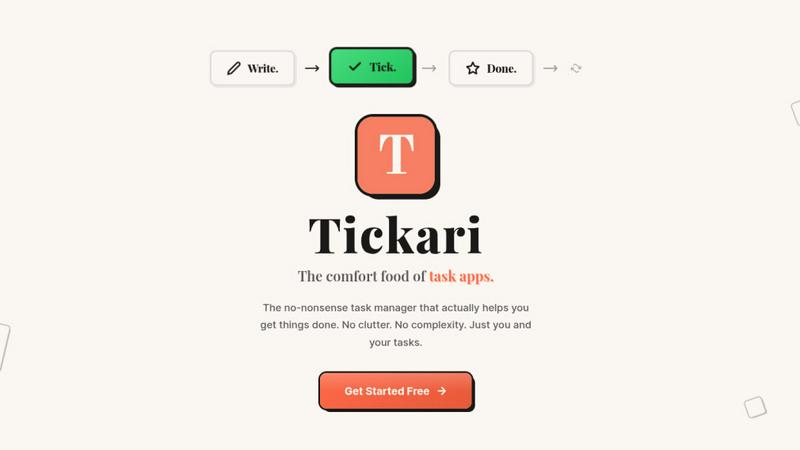
The no-nonsense task manager that actually helps you get things done. No clutter. No complexity. Just you and your tasks.
Visual Comparison
PollQR
Tickari
Overview
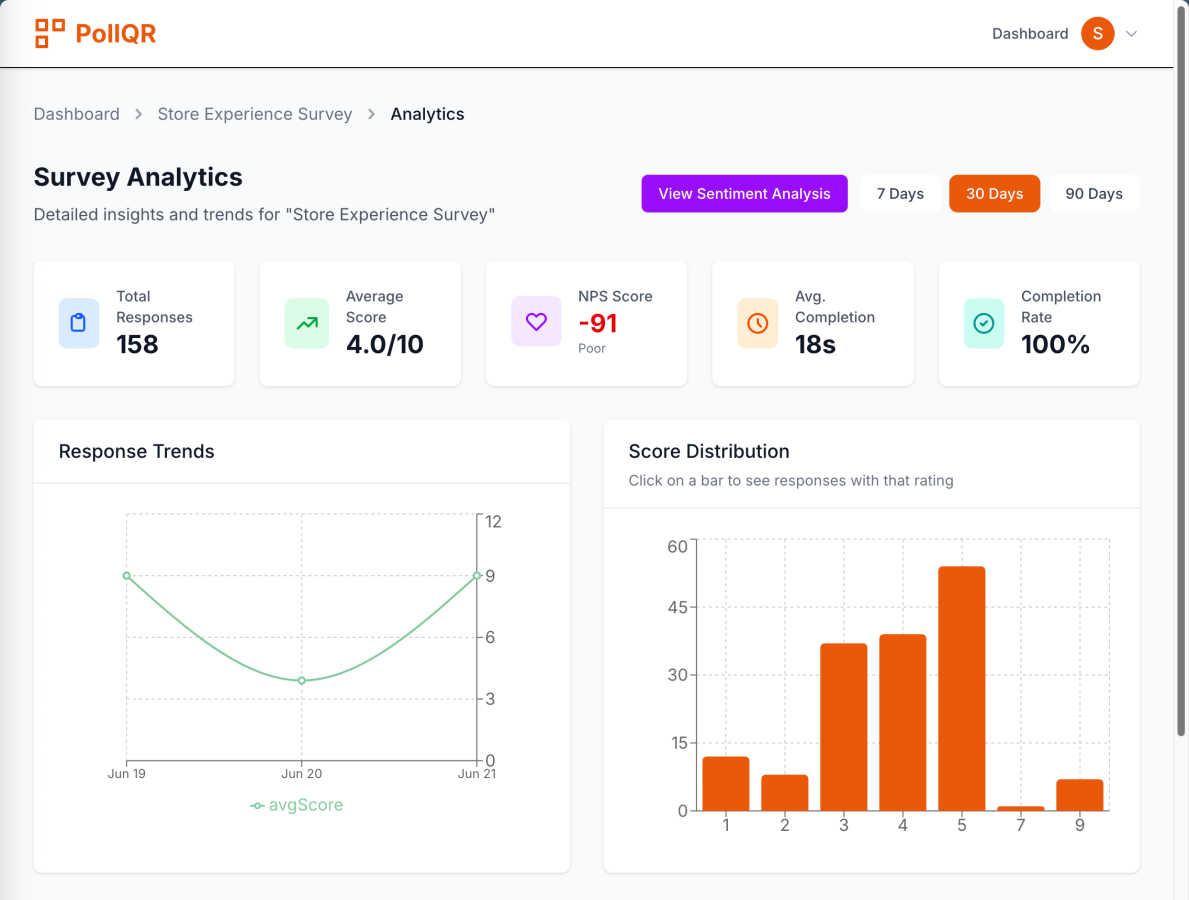
About PollQR
PollQR is a collaborative platform designed to bridge the gap between businesses and their audiences through the power of QR codes. It specializes in two synergistic workflows: generating QR code surveys for continuous customer feedback and creating QR code live polls for dynamic audience engagement. For business owners, managers, and marketers, PollQR is a partner in growth, offering tools to gather actionable insights, boost online reputations by channeling happy customers to leave reviews, and capture leads—all through simple, scannable codes placed in-store or on materials. For presenters, trainers, and educators, it transforms passive listening into an interactive, cooperative experience, replacing raised hands with real-time polling, Q&A, and feedback collection. The platform's core value proposition lies in its dual focus, powered by AI analytics that help teams quickly understand sentiment and key themes, turning raw data into a clear, cooperative action plan for improvement and connection. By fostering a two-way dialogue, PollQR empowers organizations and speakers to build stronger, more informed relationships with their communities.
About Tickari
Tickari is a deliberately minimal, no-nonsense task manager designed for people who are tired of overcomplicated productivity tools and just want to get things done. Instead of overwhelming you with features like complex boards, AI-generated suggestions, or endless customization, Tickari focuses on a simple, frictionless workflow: write a task, tick it off, and move on.
The product embraces a “less but better” philosophy—eliminating clutter, reducing cognitive overhead, and removing the need for onboarding tutorials or setup processes. There are no distractions, no unnecessary decisions, and no feature bloat—just a clean interface that works instantly the moment you open it. This makes it particularly effective for users who feel stuck organizing tasks instead of actually completing them.