Miget vs Vidori
Side-by-side comparison to help you choose the right product.

Miget
Deploy unlimited services on one flat-rate plan.

Vidori
Vidori empowers creators to launch their own branded streaming apps together, with no code required.
Last updated: February 28, 2026
Visual Comparison
Miget
Vidori
Overview
About Miget
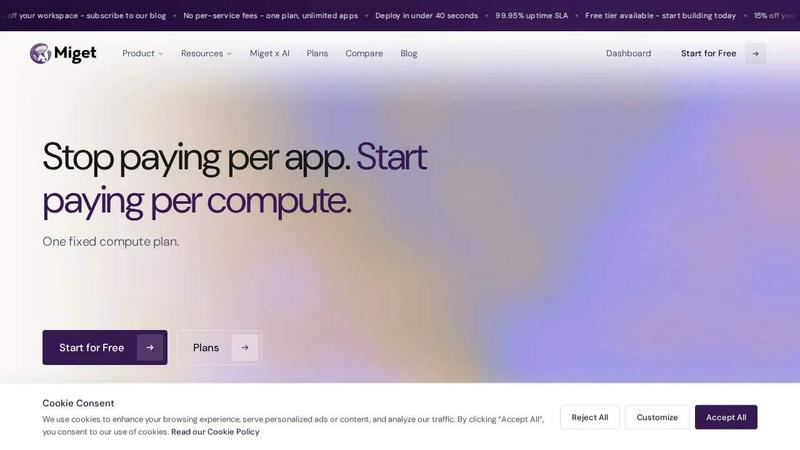
Miget – Stop paying per app. Start paying per compute.
Traditional PaaS platforms charge you for every app, database, and worker separately. Miget flips that model: pick a fixed compute plan, then deploy as many services as you want inside it.
- Unlimited apps, databases, and background workers per plan
- No per-service billing surprises
- Built on Kubernetes with full isolation between tenants
- Deploy from Git, GitHub, Registry with zero-config builds
- Managed PostgreSQL, Redis, and more
- Custom domains with automatic TLS
Whether you're running a single side project or a full production stack, you only pay for the compute you reserve—not the number of things you run on it.
About Vidori
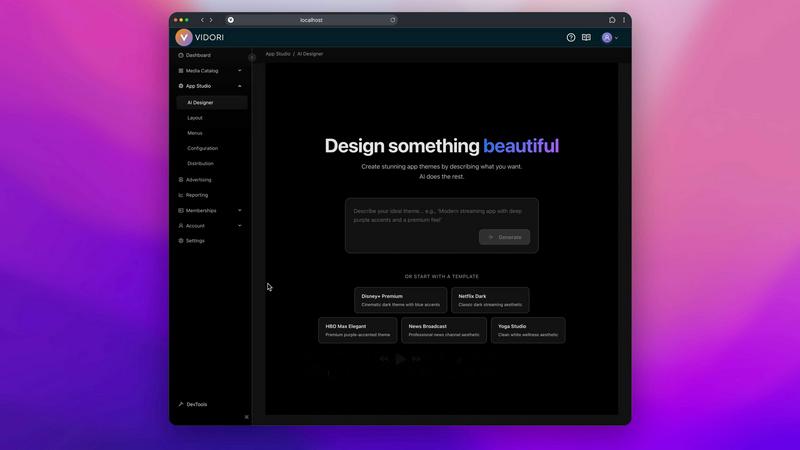
Vidori is a collaborative, no-code platform designed for creators, media brands, and their teams to build and launch their own fully branded video streaming services. It transforms the complex process of app development into a seamless, team-oriented workflow, enabling groups to work together to own their audience and keep 100% of their revenue. The platform empowers you to import your video content, collaboratively customize your app's branding, and set up monetization models like subscriptions and pay-per-view, all from a unified dashboard. Without needing a single developer, your team can publish to a vast network of platforms including iOS, Android, Roku, Amazon Fire TV, Apple TV, and the web. Vidori's core value proposition is synergy: it brings together the tools for technology, business, and growth, allowing your creative and operational teams to focus on what they do best—creating content and building community—while the platform handles the heavy lifting of multi-platform distribution and infrastructure.