Karolium vs Miget
Side-by-side comparison to help you choose the right product.

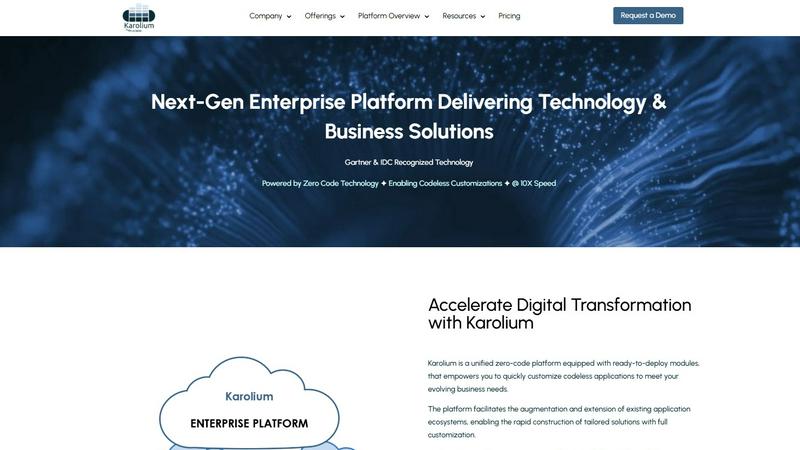
Karolium is a zero-code platform that empowers teams to collaboratively build and customize AI-driven applications.
Last updated: February 28, 2026

Miget
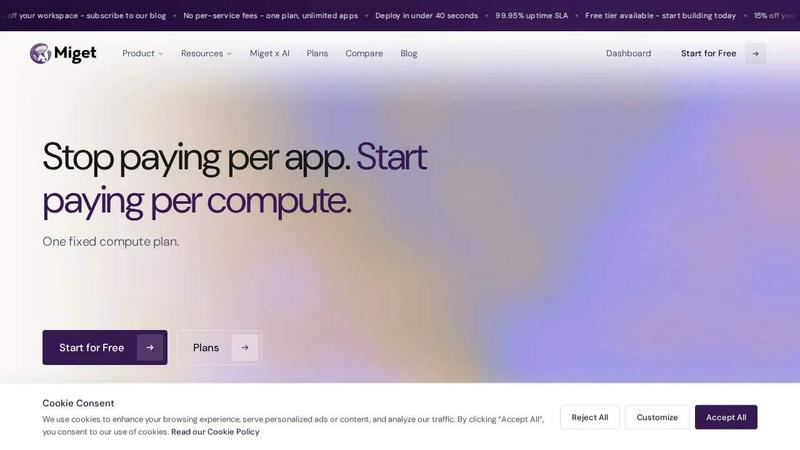
Deploy unlimited services on one flat-rate plan.
Visual Comparison
Karolium
Miget
Overview
About Karolium
Karolium is a next-generation, unified enterprise platform that revolutionizes how teams approach digital transformation. Designed for organizations aiming to maximize their existing software investments, Karolium offers a powerful zero-code environment that fosters seamless collaboration between business and IT teams. With the ability to build and customize sophisticated applications at ten times the speed of traditional development, Karolium empowers teams to overcome the limitations of off-the-shelf solutions. Its unique capabilities combine iPaaS, aPaaS, oPaaS, and AIPaaS functionalities, enabling organizations to rapidly develop, extend, and enhance intelligent business solutions. The platform includes ready-to-deploy value chain modules, such as AI-driven demand forecasting and supplier collaboration, while also providing the flexibility to create tailored AI-powered applications. This synergy between pre-built solutions and customizable workflows allows teams to respond swiftly to evolving business needs, driving greater agility, efficiency, and intelligent operations.
About Miget
Miget – Stop paying per app. Start paying per compute.
Traditional PaaS platforms charge you for every app, database, and worker separately. Miget flips that model: pick a fixed compute plan, then deploy as many services as you want inside it.
- Unlimited apps, databases, and background workers per plan
- No per-service billing surprises
- Built on Kubernetes with full isolation between tenants
- Deploy from Git, GitHub, Registry with zero-config builds
- Managed PostgreSQL, Redis, and more
- Custom domains with automatic TLS
Whether you're running a single side project or a full production stack, you only pay for the compute you reserve—not the number of things you run on it.