Job Boardly vs Miget
Side-by-side comparison to help you choose the right product.

Job Boardly
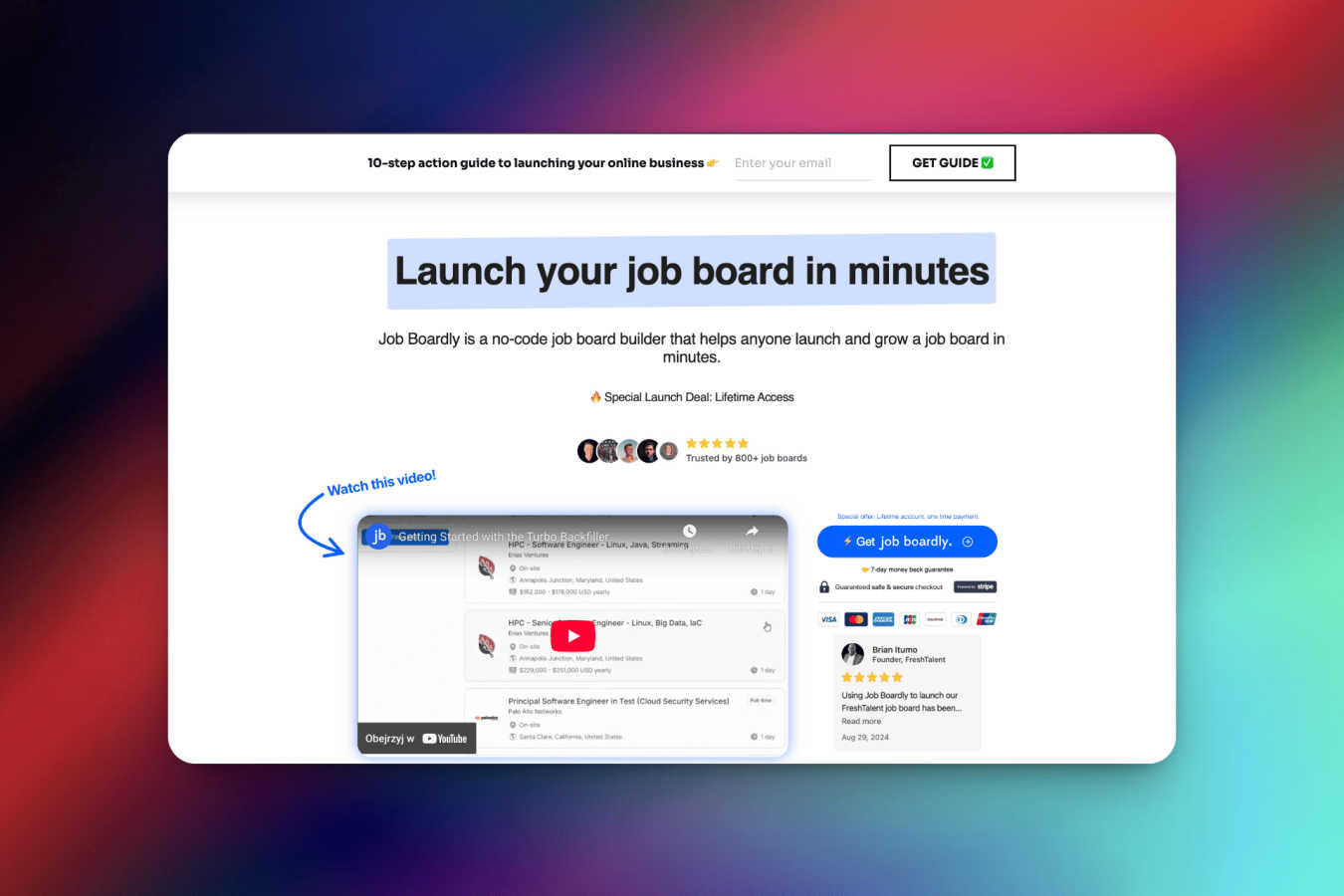
Effortlessly create and manage your niche job board in minutes with our all-in-one no-code platform.
Last updated: March 1, 2026

Miget
Deploy unlimited services on one flat-rate plan.
Visual Comparison
Job Boardly
Miget
Overview
About Job Boardly
Job Boardly is a collaborative, no-code platform designed to empower individuals, teams, and communities to effortlessly create and grow niche job boards. Built on the belief that valuable resources for job seekers and employers should be accessible and affordable, Job Boardly makes it easy for recruiters, content creators, industry associations, and entrepreneurs to establish dedicated hubs for career opportunities. By leveraging Job Boardly, users gain access to a comprehensive suite of tools that manage everything from populating job listings to streamlining monetization processes. This allows users to focus on their core strengths, whether it is community-building, curating job opportunities, or expanding their audience. With Job Boardly, transforming the vision of a specialized job board into a live, revenue-generating asset can be achieved in minutes rather than months. The platform stands as a powerful partner in your journey to connect job seekers and employers, fostering collaboration and growth within any niche.
About Miget
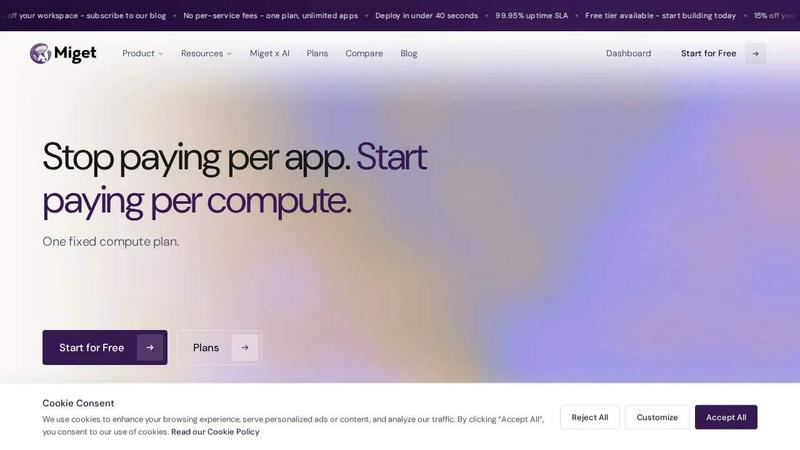
Miget – Stop paying per app. Start paying per compute.
Traditional PaaS platforms charge you for every app, database, and worker separately. Miget flips that model: pick a fixed compute plan, then deploy as many services as you want inside it.
- Unlimited apps, databases, and background workers per plan
- No per-service billing surprises
- Built on Kubernetes with full isolation between tenants
- Deploy from Git, GitHub, Registry with zero-config builds
- Managed PostgreSQL, Redis, and more
- Custom domains with automatic TLS
Whether you're running a single side project or a full production stack, you only pay for the compute you reserve—not the number of things you run on it.