Coffset vs Tickari
Side-by-side comparison to help you choose the right product.

Together we can easily track and offset your carbon footprint through verified projects.
Last updated: February 28, 2026

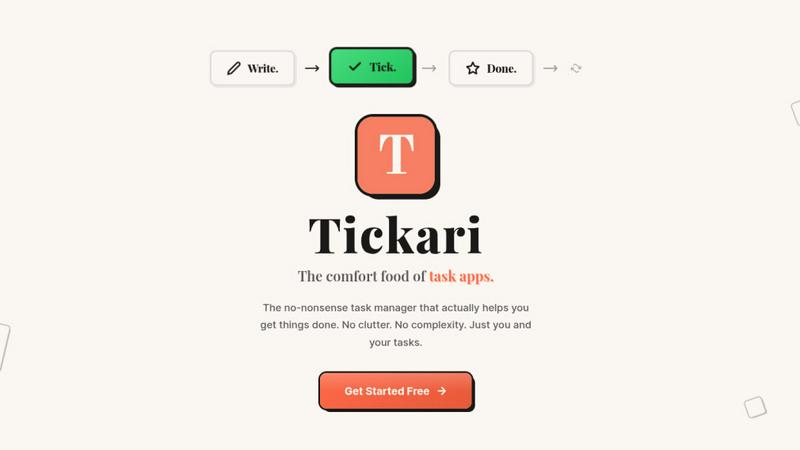
The no-nonsense task manager that actually helps you get things done. No clutter. No complexity. Just you and your tasks.
Visual Comparison
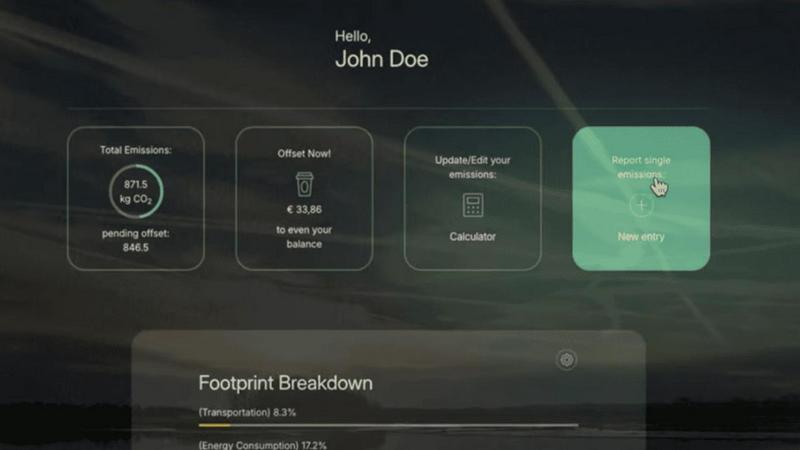
Coffset
Tickari
Overview
About Coffset
Coffset is a collaborative platform designed to empower individuals and small businesses to become active, informed partners in the global fight against climate change. It functions as a personal CO2 wallet, bridging the critical gap between environmental awareness and tangible, measurable action. The platform is built on the principle that collective, individual efforts, when combined, create a powerful synergy for planetary health. Coffset provides a unified suite of tools that allows users to easily calculate their carbon footprint based on daily habits and travel, fund verified and impactful carbon reduction projects, and transparently track the real-world results of their contributions. By turning complex climate data into simple, actionable steps and ensuring every offset is backed by certified projects—from reforestation to renewable energy—Coffset makes sustainability accessible, trustworthy, and effective. It’s the essential tool for eco-conscious individuals and purpose-driven small businesses ready to take responsibility for their emissions and contribute to a measurable, positive environmental legacy together.
About Tickari
Tickari is a deliberately minimal, no-nonsense task manager designed for people who are tired of overcomplicated productivity tools and just want to get things done. Instead of overwhelming you with features like complex boards, AI-generated suggestions, or endless customization, Tickari focuses on a simple, frictionless workflow: write a task, tick it off, and move on.
The product embraces a “less but better” philosophy—eliminating clutter, reducing cognitive overhead, and removing the need for onboarding tutorials or setup processes. There are no distractions, no unnecessary decisions, and no feature bloat—just a clean interface that works instantly the moment you open it. This makes it particularly effective for users who feel stuck organizing tasks instead of actually completing them.